Garage Door Installation Cost Breakdown: Line Items
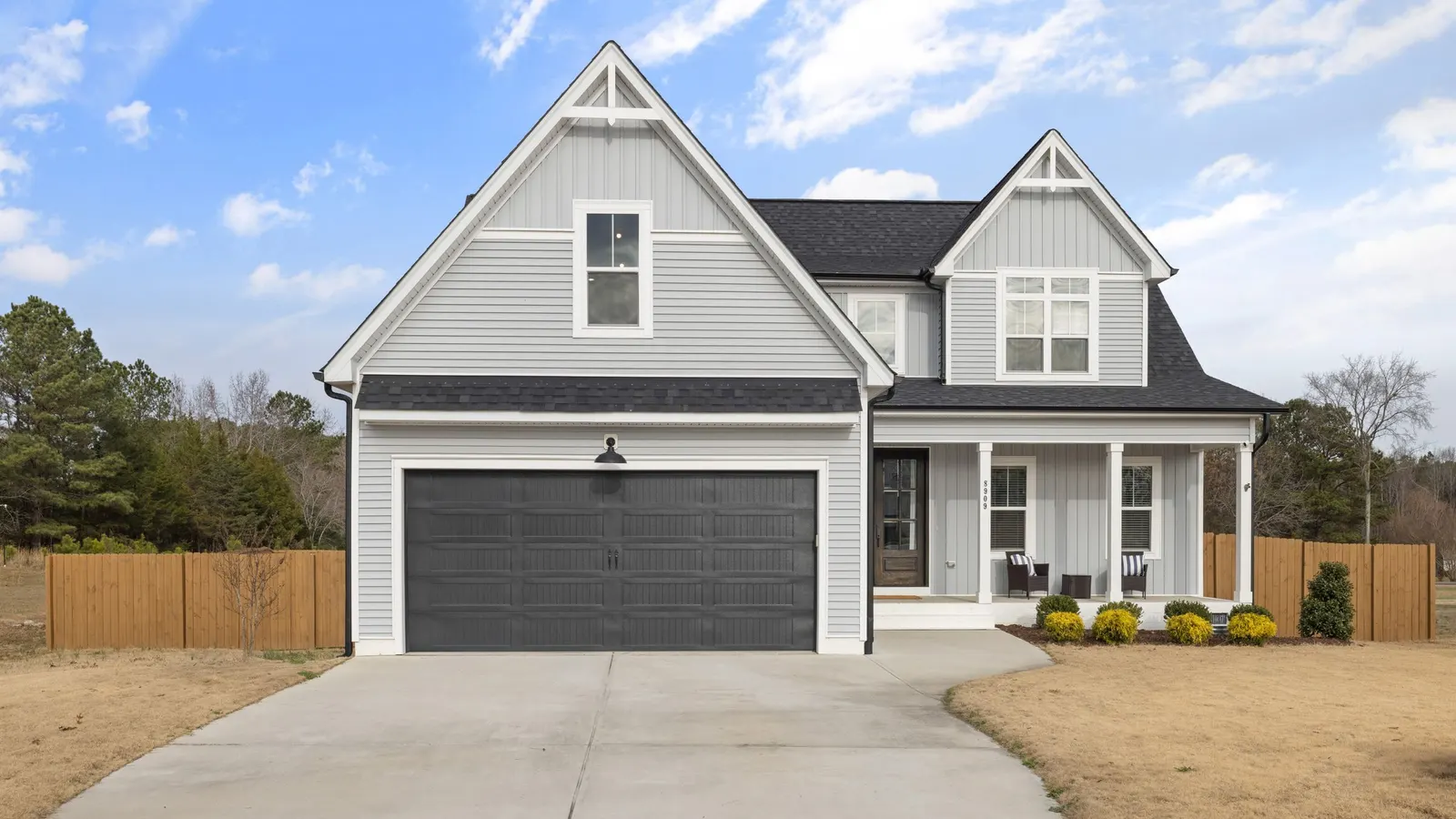
When comparing written quotes from local companies for a new garage door installation, it's essential to understand which charges are standard, negotiable, or where contractors commonly add padding. This knowledge helps homeowners like you make informed decisions and avoid unexpected expenses.
Read the full guide: Garage Door Installation Cost: Prices by Size, Material and Job on Garage Playbook.
To make the most of your garage door installation, it's crucial to read the line-item quote carefully and spot potential padding. This article will guide you through the process of breaking down garage door installation costs and help you identify areas where contractors may add extra charges.
Garage door installation costs can vary greatly depending on several factors, including the type of door, size, insulation, and smart opener features. To get a clear understanding of the costs involved, let's explore the typical line items you can expect to see in a garage door installation quote.
What a standard installation quote should include
Check that your written quote lists every part. A complete system includes the door, tracks, springs, and labor. Current Cost notes that buyers typically pay for this full bundle. If your quote only shows a door price and flat labor, ask for a breakdown.
- Door
- Tracks
- Springs
- Labor
Compare quotes from different local companies. Look for missing hardware like cables or rollers. Ask specifically if old-door removal is included.
Door material and insulation line items
When getting a quote for a new garage door, you'll likely see line items for the door material and insulation. The cost of the door itself will depend on the material and size. Here are some general guidelines to keep in mind:
- Steel is the baseline: A standard single 9x7 steel door will be the base price for your garage door installation.
- Insulation adds cost: Upgrading to an insulated steel door will add to the overall cost. According to Current Cost, a typical 8x7 insulated steel door may be priced around $900–$1,400 installed.
- Premium materials increase cost: If you choose a wood or glass-panel modern door, you can expect to pay 2-3 times the cost of a standard steel door. A double 16x7 door is roughly 1.7 times the cost of a single 9x7 door, not double.
Labor, hardware, and opener add-ons
Check the hardware lines for hidden padding. A clear quote lists track assembly, spring tensioning, and reinforcement struts as separate items. If you see "miscellaneous hardware," ask for a breakdown.
The opener line shows what you are really buying. Garage Door Cost Calculator reports smart openers add $400–$600.
If you already own a compatible opener, do this:
- Confirm the quote credits removal of your old unit.
- Verify it does not bundle a new opener by default.
This check helps you pay only for what you need.
Common add-ons that inflate the total
When reviewing a garage door installation quote, be aware of common add-ons that can increase the total cost. These may include windows, decorative hardware, wind-load reinforcement, custom paint, and low-headroom or side-mount track conversions.
Some of these add-ons can be significant, with insulation, smart features, and side windows being smaller tweaks compared to material and size. According to This Old House, a garage door specialist can provide expert tips on how to cut garage door costs without sacrificing quality.
To avoid unnecessary expenses, add wind-load reinforcement only if your local code requires it, and skip decorative hardware unless it matches existing exterior finishes. Consider the specific needs of your garage door installation, and prioritize the essential components over add-ons.
Spotting overcharges and vague fees
Quotes that bundle disposal, trip charges, permit handling, or "required" upgrades into a single miscellaneous line make comparison impossible. Installation complexity and local labor rates can add hundreds to the total, according to This Old House. Ask each contractor to separate every fee so you can see which are municipal requirements and which are shop markups.
- Request a line-item breakdown that lists disposal, permit filing, and trip charges separately.
- Ask for a copy of the municipality's permit fee schedule when a permit fee appears.
- Flag any "shop supply" or "materials surcharge" line that lacks a description of what it covers.
If a contractor refuses to itemize or cannot produce the local fee schedule, treat that quote as incomplete. The limitation is that some municipalities charge flat fees that legitimately differ from published schedules, so verify with the building department before rejecting a bid outright.
Regional and timing factors that move the final price
Regional labor rates are a significant driver of quote variation. The same door system installed in a high-wage metro area will carry a higher labor line than in a rural market. To avoid price spikes, schedule installation in late fall or winter when installer calendars open up. Consider installing during these off-peak seasons to get the best price for your new garage door. However, if your door has failed, it's best to avoid peak spring months when demand is high and installers are in short supply. This way, you can get a better price and still get your door installed quickly.
Checklist for comparing quotes apples-to-apples
Compare quotes by creating a checklist to ensure you're evaluating the same features and services. This framework helps you identify potential overcharges and ensure you're getting a fair deal.
To start, make sure each quote includes the following:
- Door specifications (material, size, and type)
- Track type (standard or premium)
- Opener model (LiftMaster or similar)
- Warranty terms (length and coverage)
- Payment schedule (including any financing or payment options)
When reviewing quotes, check if the contractor has included all the necessary components, such as:
- Door material and insulation
- Labor costs
- Opener and hardware costs
- Any additional features or upgrades
Consider the following decision rule: require each contractor to quote the same spring cycle rating and opener model before comparing bottom lines. This ensures you're comparing apples-to-apples and can accurately assess the total cost.
When evaluating quotes, remember to check the context of the excerpt and verify the information with the source.
If you're comparing written quotes from local companies, it's essential to understand which charges are standard, which are negotiable, and where contractors commonly add padding.
Several key factors influence the cost of a garage door, including labor, materials, and your location. The door's material and style typically drive the biggest price differences, while installation complexity and your local labor rates can add hundreds to your total project cost.
For the complete details, see Garage Door Installation Cost: Prices by Size, Material and Job.
Sources and further reading
Related reading
- Garage Door Opener Installation Cost: Prices by Type and Job
- Insulated Garage Door: R-Values, Costs and When It Pays Off
- Garage Door Spring Replacement Cost: Torsion vs Extension
Companion to the original article on Garage Playbook.
Frequently asked questions
How to save on garage door costs?
Choose a standard size and stock color. This avoids custom pricing. Pick an insulated steel door instead of wood or glass. It gives better value. Schedule installation in off-peak seasons. Bundle the door and opener with one company. Maintain the new door with seasonal lubrication and seal checks.
Optional products and services
Affiliate disclosure: We may earn a commission if you buy through the paid links below.
- garage door bottom seals (paid link)
- perimeter weather stripping (paid link)
Comments
Post a Comment